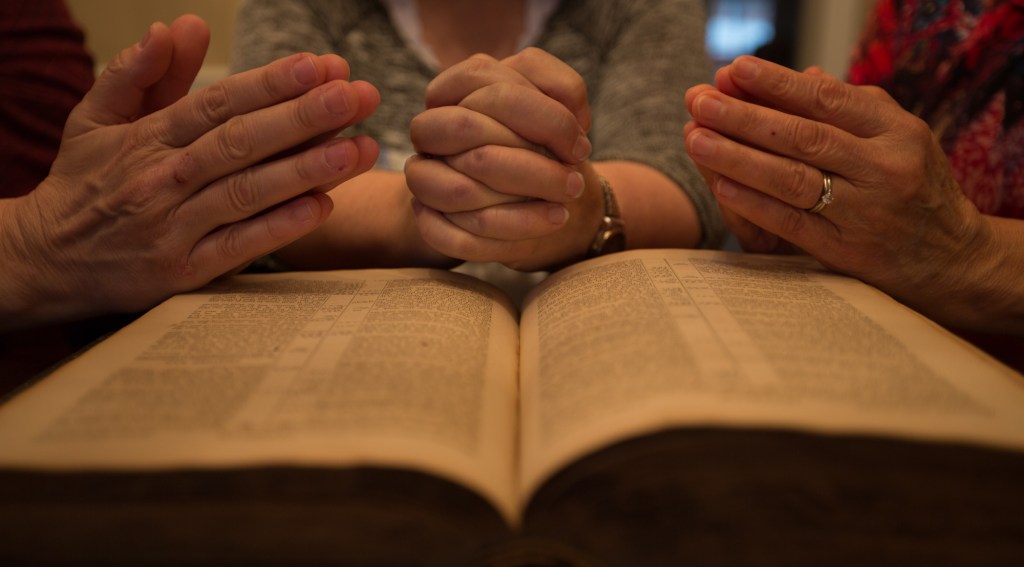
How to Live the Bible. What a great title for a book! I wonder if it’s been published before. If I were to write this book, what would I include?
First, I’d begin by confessing and forsaking all known sin in my life (deeds as well as inner thoughts).
Next, I would learn to listen to the Holy Spirit for daily guidance and follow His direction.
Third, I’d hide God’s Word in my heart. I’d memorize great chunks of Scripture.
Fourth (and this is not in order of importance), I would make a concerted effort to surround myself with a support system of believers.
Fifth, I’d maintain an accountability relationship with someone I trust.
And sixth, I’d devote my life to serving others with my God-given gifts and talents.
A 2025 Update. I notice my list did not include the point of salvation. That’s a given, for if you don’t have a relationship with the author of the book, it’s really hard to live the principles. Today, my list would be a lot simpler: love God and love others.
Webster defines slander as “false and damaging statements about someone.”
This verse convicts me. I never intentionally say false things about others, but I can make assumptions that might not be accurate. I know it’s not right or fair or honoring, but my words of judgment fly out when I’m feeling triggered. We are all made in the image of God, part of the same race, so when I slander another human being, I hurt myself in the process.
What is the difference, I wonder, between stating a fact about someone (e.g. he’s an alcoholic) and slandering him (e.g. you’ll never believe what Michael did yesterday…) The first may just be acknowledging the truth, while the motive of the second is clearly meant to spread gossip. Is my intent to bring this person down to my level? To delight in sharing a juicy bit of news?
I heard recently someone’s recollection of her mother—that she never said an unkind word about other people. How commendable! “If you can’t say something nice about someone, don’t say anything at all,” is often attributed to the daughter of President Theodore Roosevelt. I want my words as an older, mature woman, to protect others in my speech, not tear them down because of my stuff coming to the surface—which, in the end, merely reveals the darkness of my own heart.
I repent and ask God’s forgiveness and mercy as He teaches me to #1 work through my triggers, and #2 hold my tongue.
Do not pay attention to every word people say or you may hear your servant cursing you …. For you know in your heart that many times you yourself have cursed others. Ecclesiastes 7:21-22 (NIV)
In the beginning stages of a human love relationship, there’s an emotional high, an excitement, a drive to spend as much time together as possible. Then life happens, and you struggle to work through disappointments that the fairytale doesn’t exist. The same can happen when you begin a love relationship with God. The initial joy of finding a perfect partner in life gets buried under disillusionment and painful circumstances. You find He’s not what you first expected.
Yes, I know Jesus loved me enough to die for me, and that knowledge is all good, but it doesn’t impact me emotionally. I’ve heard it for 65 years in thousands of sermons, and somehow now I’m obligated to serve Him whether I like it or not. I’m in this marriage now because I said “I do” when I was five years old, but it’s not an equal partnership. He is everything, and I am nothing. And maybe I hold back or cringe if I sense Him coming on too strong—like He wants something from me, and I may as well give in, whether I like it or not because He’s going to get His own way in the end anyway. “Thy will be done” might mean there’s suffering to follow, and what if I prefer to stay in my comfort zone, guarding my heart and trying to shield myself from pain?
And somewhere, somehow, a part of my heart holds out, self-sufficient, anticipating harsh judgment from the God of the Old Testament, surprised at His betrayal, and believing He expects absolute perfection, surrender, and obedience to His will.
Through time, as I work through my painful childhood memories, my relationship with my husband begins to heal and grow and deepen, and I find my intimacy with my creator begins to change as well. I learn more of His compassionate heart, never condemning me or forcing my will. He is the embodiment of I Corinthians 13 love. In the end, when I allow my guard to stand down, and I embrace what is to follow, there’s sweet fellowship and excitement at renewed intimacy and a deepening passion that feels safe. I’m returning to my first love.
Why is it okay for me to feel something negative while I judge you for losing it? What about my own ungodly reactions? How hypocritical can I be? You have to endure me, too, when I get angry and say things I shouldn’t. Don’t I want you to love me anyway and give me grace? Of course! But I get weary of your ungodly choices. I expect you to be farther along in your healing, so why don’t I expect the same of me? Why do I hold you to a different standard? It’s such a battle for the mind.
So why does your trigger affect me? Maybe it has to do with expectations. I expect to live in a perfect world. I expect to have a perfect day. I expect a birthday to be all about me. I expect Christmas to be full of joy and peace. I expect to not have my boundaries trampled. I expect you to have the emotional maturity of your physical age. I expect to have good health till the day I die, and my clothes to always fit, and the roof to never leak. I expect my mango to be sweet and my new car to never get dented. I want to live in a state of perfect harmony and peace, and your reactions allow a foul wind to blow. And when my expectations aren’t met, I’m sad, angry, and disappointed.
When that happens, do I pout? Clam up? Put on a happy face? Steel myself mentally or physically for your responses and reactions? Give up all expectations or just expect the worst?
When I erect a steel-plate armor to protect myself, I’m encased in a jail cell. My heart grows cold, and I distance myself from my Heavenly Father (the source of love) and from a compassionate heart.
I repent of my self-protection and preservation. I give permission to Jesus to drill and unscrew and remove my steel plate so I can step out, free of bondage. Without my armor, however, I am weak, pale, starved, and thirsty for connection. Jesus gently ministers to my shrunken frame, murmuring, “I’ll be your protection. I love you. I will never leave you or forsake you. You are Mine.”
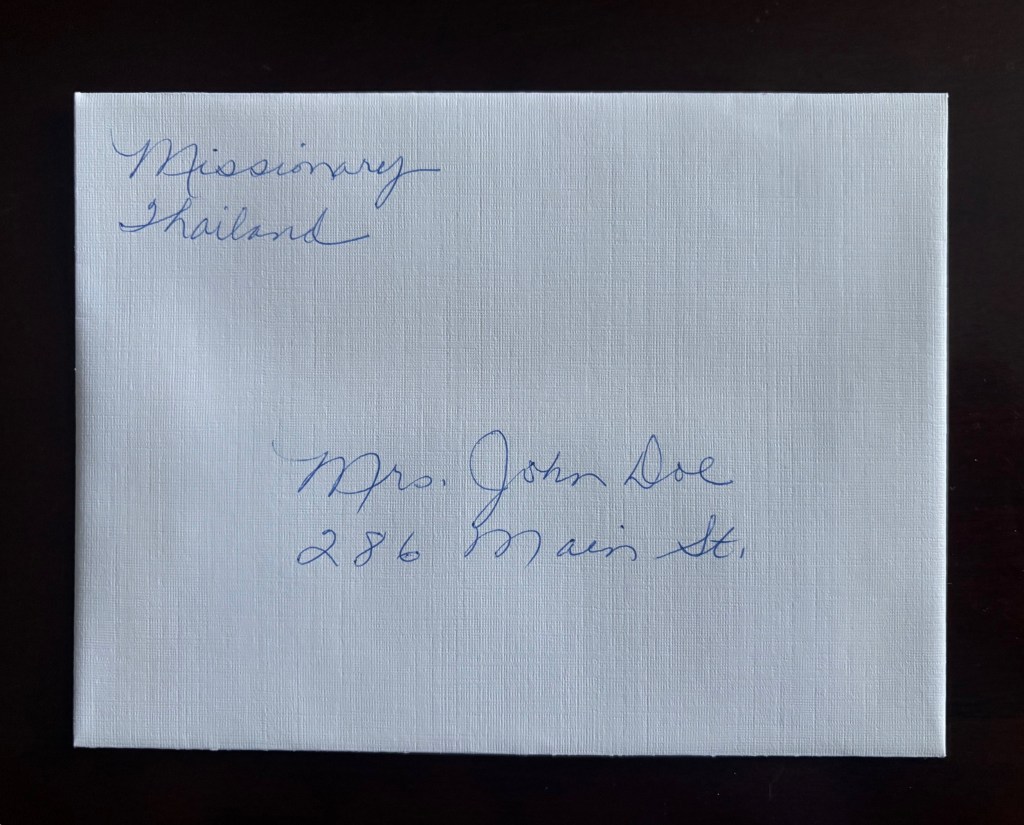
In my visual, Jesus leads me up to the roof of the Castle of My Heart, where we sit in rocking chairs, enjoying the sunshine together. He doesn’t say much, but I’m suddenly aware that even this perfect state could be disrupted at any time. Off to our left, a messenger arrives bearing a white envelope on a silver platter. A letter for me? It’s so pretty and pure. A love letter, I hope. But I’m expecting the worst. I’m reluctant to open it. Will I find gray ashes inside?
Now I can see the metaphor clearly. I want the missive to be a love letter, a perfect day, my desired Christmas gift, a friend who never criticizes my choices, a carefree marriage, and always-obedient children. My expectations are founded on gray ashes.
“Open it,” Jesus commands, and when I do, I’m startled when a pure white dove flutters out and flies away. I peek inside to find a ruby red heart. I’m puzzled.
“Your heart is what determines your destiny,” He says. “Your perfect day cannot be spoiled by someone else’s choices if your heart is pure.” And with that, He places the heart inside my chest. “Your heart is protected and surrounded by my love and care, and nothing can touch it there except your own willful choices to use your own self-protection or to refuse to release your pain.”
Father, I invite you and implore You to protect my heart where I’m vulnerable and weak, so that I don’t fall prey to the enemy’s lies and deception.
I was having a glorious time—perfect spring day with everything in blossom, enjoying a walk, sitting on the deck, delighting in sunshine and a soft breeze on my skin. Feeling genuine joy, contentment, and happiness . . . when spoken words, negative in content and tinged with anger, dashed my sunshine with cold water. I lost my joy, and my inner anger flared.
Why do some people carry around buckets of cold water, ready to douse the first bit of joy they sense in others? I know it’s their protection to cover their pain, but please pour the water over your own head and cool yourself off before you enter my space!
I use my own anger to try to bring some warmth back to my cold body, but it’s a warmth that is self-induced and unproductive. I willingly hand my anger to Jesus, and in my visual I step into a warm shower. Now I feel the sadness and disappointment of a ruined moment, a stolen joy.
“I am your source of joy,” Jesus says. “My presence is what brings you pleasure, and nothing can separate us . . . not man, not beast, not any evil spirit or Satan himself. I am the Light, your warmth, your provider, shield, and protector.”
My heart is heavy this morning with the news that a friend is nearing the end of her life, and another is struggling to function with a disease. Perhaps God put the heaviness there so that I will pray for my friends. Perhaps I’m believing a lie. Or maybe it’s tapping into something unresolved in my own heart. I see worry lines across my forehead.
In my mind, I lift my dying friend’s wasted skeleton and lay her gently in the lap of Jesus. He smiles. She is in good hands.
I see my other friend limping and leaning heavily on my left shoulder as I try to keep her upright. I’m sad and I don’t know why. My knees buckle under her weight, while Jesus waits for us to reach Him. Why isn’t He stepping forward to help? We sit for a while and rest, and still He tarries. I believe I have the responsibility to get her there, but I can’t. All I can do is sit with her till help comes. And as I relax and encourage her, Jesus sends angels to minister to her. They gently soothe her, but her earthly pain remains. Then I see the angels lift her, chair and all, to His feet. I follow and I watch.
“Are you ready, my child?” He whispers in her ear.
“Not yet,” she replies. And so he instructs the angels to carry her to Sick Bay.
It seems I’m next. “Come here, my child,” He says. “What’s troubling you?”
“It’s that word responsibility again,” I say. I know that whatever “it” is doesn’t belong to me.
“No, But love does. Staying with her and not walking away is what I ask of you.”
“That’s the easy part; I can do that.”
“Then visit her in Sick Bay and let her know she’s not alone in her pain.”
It’s often easier to try to fix another’s pain in order to relieve my own, but prayer is not about telling God what to do. It’s about letting go of my expectations and listening to His instructions.
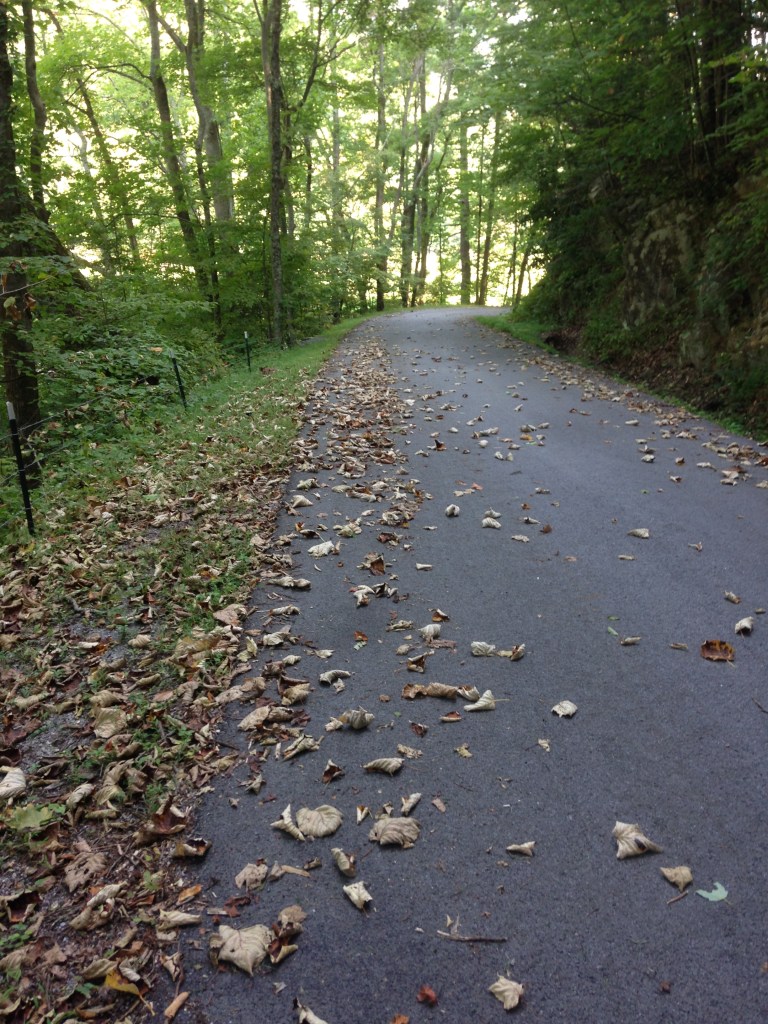
Two days in a row I rose from my bed feeling weary. Is this mild depression? Driven to get some fresh air and exercise, on Saturday I donned a light jacket, packed what I needed for the day, and headed to the Greenway. I snapped some photos and tried not to think. Just walk. Bare trees and brown hues dominated the landscape in the winter chill. I saw a red-headed woodpecker, two fat robins, some ducks on the water, a cardinal, and several squirrels with nuts in their mouths. Under one overpass, I was shocked to see how high the water had flooded at some point. Leaves twined tightly around branches above my head.
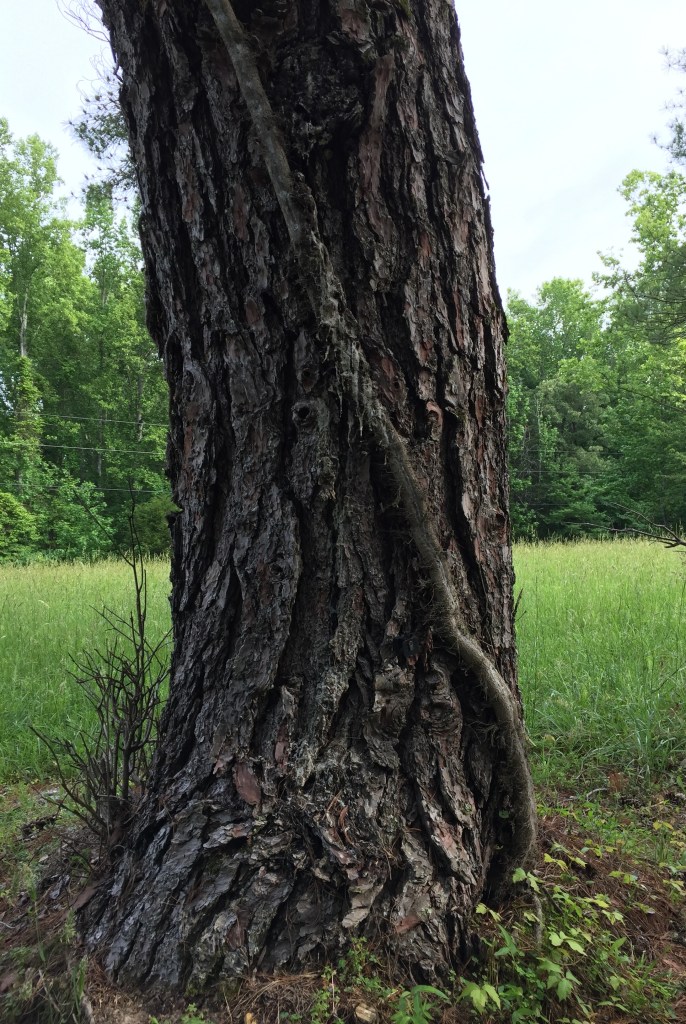
Returning to the trailhead, I sat on a bench to rest, but my body felt antsy, jiggly. As I tried to relax, I heard God say, “Be a tree.”
“But a tree doesn’t move!” I exclaimed.
“Precisely.”
A tree. Rooted. Still. Unmovable. Sturdy. Stable. Allowing the animals to come to me. I don’t have to find them; they will find me. Just be. Be still and know that I am God. Be still. Be still.
Be still before the Lord and wait patiently for Him. Psalm 37:7 (NIV)
In awe of this simple injunction from the Holy Spirit, I began to walk again. But it wasn’t enough. I could still feel the dread of having to be “on” at my next meeting.
I came to another bench warmed by the sun and stretched out on my back. I needed to release whatever load I was still carrying. In my mind I saw a steel cord across my chest with weights on the ends, holding me down. I heard the word responsibility.
Again? Still? Why do I keep struggling with this?
I asked the Lord to cut the cord or remove the balls, and surprisingly He refused.
What? A weight too heavy for Him to lift? I don’t understand.
“OK, Lord, do it your way.”
And I watched as He lifted the cord a few inches off my chest, suspended lightly on His index finger. Now I could choose to stay or to move. That felt better.
And so I walked some more.
“Is there more, Lord?” I still feel tired in my soul.
Then I saw a closet door. When I opened it, a mass of material goods tumbled out. “What a mess!” I cried. “I don’t have the energy to clean it up and sort through the pile.”
“Your decision-maker is tired,” He said. “It’s time to sort and tidy your environment. You’ve been living in clutter and chaos in your home for six weeks now with Christmas, company, family messes, extra meals, and three big projects completed in three weeks. Your office and sleeping space are not restful or peaceful. It’s time to take back your place and create a peaceful environment.”
“That I can do,” I thought. And with that, the oppressive, heavy feeling began to lift.
“Be a tree. Be still. Look to Me to make your decisions. Declutter and find peace once more.”
All during church the next day I tried to process, to rejuvenate, to just sit and soak in God’s presence. I visualized a part of my heart like a squirrel scampering around the tree, so many branches to explore, unable to settle. Then I saw one branch overladen with fruit (and perhaps some excess stuff) drooping to the ground. It represented my to-do-list responsibilities, my ongoing projects, my schedule, and my ministry relationships. It represented the month of January and the burdens I’ve been carrying. I knew the little squirrel needed to stay away from that branch, but he lusted after the fruit. Perching on another branch on Sunday meant trying to focus on other things for a while, but that simply did not work. And so, I gave up the escapist, self-disciplined route to focus on what it might feel like to venture out onto that over-burdened branch. I was afraid it would snap and fall to the ground, and the fruit would rot before it could ripen.
And that’s when I saw a metal bar (God’s strength) underneath the branch supporting the weight. Now the squirrel could perch on the bar and still reach various fruits without breaking the whole limb. That felt a whole lot lighter and safer.
The next morning, I felt more rested and alert instead of groggy and grumpy. And that evening I did not get overwhelmed when we hosted a Super Bowl party for our entire family. Let’s see what tomorrow brings.
He shall be like a tree planted by the rivers of water, that bringeth forth his fruit in his season; his leaf also shall not wither; and whatsoever he doeth shall prosper. Psalm 1:3 (KJV)
Like a cedar of Lebanon he will send down his roots; his young shoots will grow. His splendor will be like an olive tree, his fragrance like a cedar of Lebanon. People will dwell again in his shade. Hosea 14:5b-7a NIV
Many years ago, a missionary couple put me on their mailing list without my consent, and for some reason I resented it. I don’t even recollect why, but for years, every time their prayer letter arrived in the mailbox, I tossed it in the trash; and later by e-mail, I’d hit the delete button without reading it. Petty, I know. Every other missionary letter I received I’d read and pray through it. This morning, however, I felt the small prick of conscience when the Holy Spirit said I needed to change my attitude toward this couple.
Once a day, beginning in the New Year, I open one Christmas card, reread the sentiment and personal notes, and pray for the person who sent it. I had just confessed my sin when I picked up the next card in the stack. I laughed out loud when it turned out to be from this missionary couple. God has such a sense of humor. And later that day, for the first time, I read their e-mail newsletter and felt engaged with their ministry.
Why does it take me so long to recognize my blind spots or to acknowledge my triggers? So much wasted time, bad brain space, and lost opportunity for prayer. I’m grateful for God’s patience, love, and forgiveness.
Yesterday I parked at our downtown library and was walking to the City Cafe for lunch when I met a little old lady on the street corner. I smiled and greeted her as I passed by, but she called after me, “Could you give me a ride home?” She lived on such-and-such a street, just .8 miles away, about a 17-minute walk if one was in good health.
“I’m 70 years old,” she declared, “And I’m tired, and people just laugh at me when I ask them, and I need money for my medicine. If you can’t help me, will you pray for me?”
I asked her a few questions. She lives alone, no family in town. Two daughters live up North who don’t speak to her. Her Social Security check doesn’t arrive till Wednesday. She needs her meds for seizures.
Yes, I’d gladly give her a ride. She looked so frail, like a slight breeze would topple her over. I urged her to sit on a nearby park bench while I walked back to the parking garage to get my car. Lunch would have to wait.
On the short drive to her house, she thanked me again and again, prattling, “I just want to tell people what God has done for me. (He’d spared her life after a major health issue.) I put up a homemade flag on my house that reads ‘God loves everybody. Amen.’ But twice people have torn it down and painted over it, and I made a third one. My apartment neighbor doesn’t like me. He won’t like it if you park in his driveway. I like to sing!”
“What’s your favorite song?” I interjected, and she burst into song, strong but wavering, “How great Thou art.” And later, “Because He lives…” And I sang along with her.
Her meds cost $25. I gave her $32, all the cash in my wallet. She burst into tears. “Now I can get my medicine! I think I’ll just sit on my porch and sing,” she said as I helped her out of the car.
“May I take your picture so I can remember to pray for you?” I asked.
With a funny little grin, her hands flew up to her frizzy hair as if to make sure she looked presentable, lifted her chin, and smiled for the camera.
Though I’ve been hoodwinked, scammed, and taken advantage of in the past, I continue to be generous to strangers if God asks me to. Sometimes I’m proactive in my ministry goals. Sometimes God simply guides my feet. I wish I’d prayed with her. I’m praying now that God will supply all her need and continue to give her courage.
A 2025 Update. Now that I’ve passed the 70-year milestone myself, I have to smile at my “little old lady” perception. I never saw her again. I never felt a nudge from the Lord to return to her house, and I sometimes wonder what happened to her.
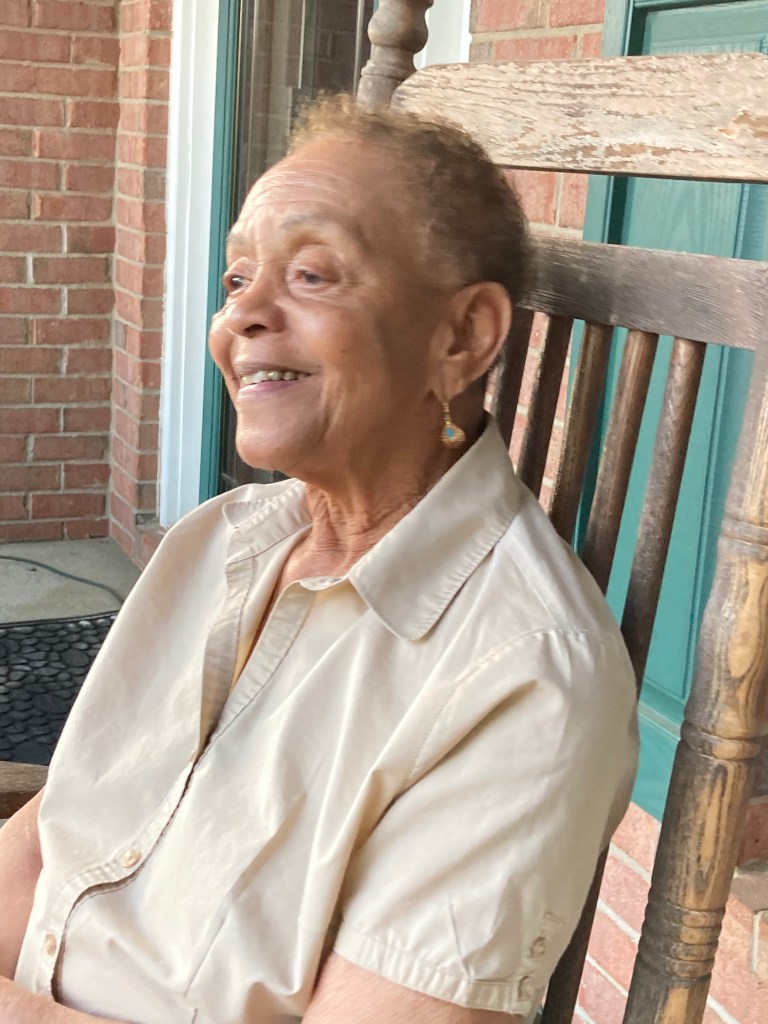
This is my sweet friend, Grandma Vera, not the person I met downtown. But she loves to sit on her porch, and she loves to sing.
I seldom post a current blog, but this milestone deserves to be shouted from the rooftop: We made it!
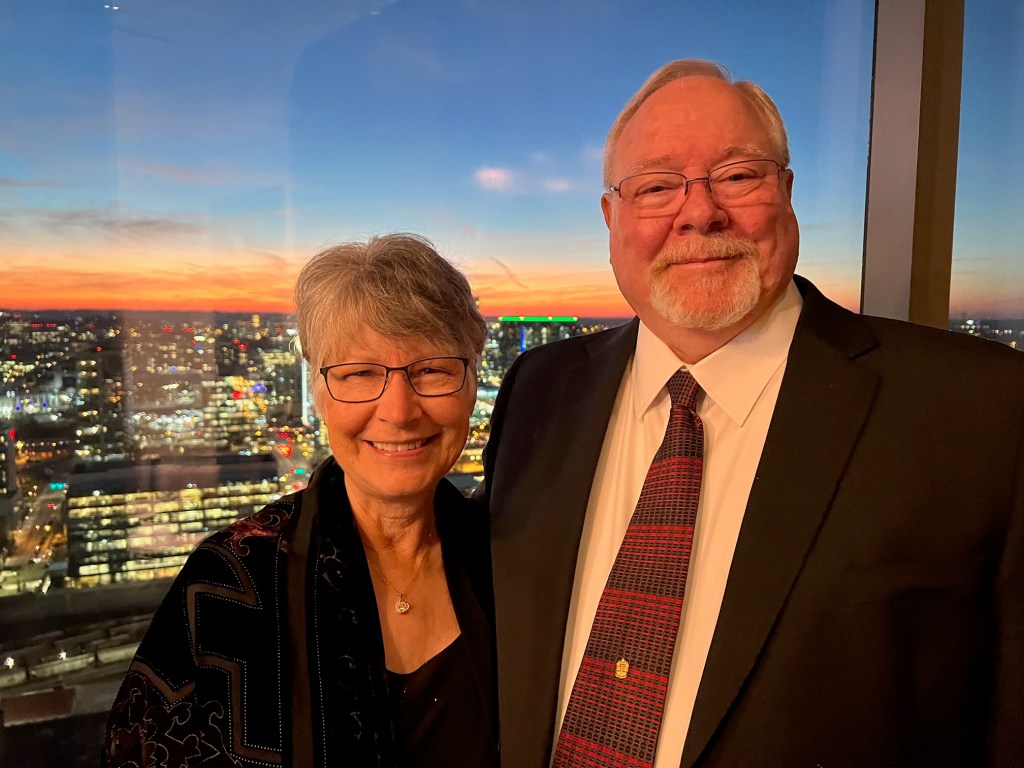
Fifty years ago today, on August 8, Scott and I vowed to stay married “through sickness and in health, through poverty and wealth, till death do us part.” We’ve had our share of health challenges, and we know what it’s like to pinch pennies as well as to enjoy abundance. But we’re not dead yet.
Our marriage had a rocky start as we came from vastly different cultures, lifestyles, and worldviews. In fact, ten years into our marriage, the pastor who did our pre-marital counseling revealed he wasn’t sure we would make it. Well, we proved him wrong!
My husband prefers bland American food, golf, Trivial Pursuit, hot tea, and talks for a living. I like spicy international cuisine, hiking, word games, coffee, and get paid to listen. He’s a night owl, a pessimist, a clutter bug. I’m a morning person, an optimist, and a minimalist. He grew up in upper-middle-class society, living in Massachusetts, New York, and Vancouver, Canada. I grew up in a mud-brick house (built by my father) in an African village. He’s a spontaneous extrovert, and I, a one-track-minded introvert.
We bonded over our transient childhoods, our mutual love of speech and drama, table games, a few TV shows, traveling, our family of course, but most of all, our faith. I knew at age 5 that I wanted a relationship with the God of my loving missionary parents. Scott met his Savior at age 21, as an adult child of two alcoholic parents. We determined on our wedding day never to threaten divorce when we had a disagreement. (I never said I wouldn’t kill him, though! 😊) Ours is a love story, but also a God-story. How else can I explain that I love this man more today than the day I married him!
Here’s to us, Honey. And, as my daddy used to say, “I wouldn’t trade you for a teddy bear!”