For the past 20 years or so, I have chosen a Word for the Year on which to focus. This year it all began with a bad back. I had spent more money than I care to recount at the chiropractor’s office, so when she recommended a book that claimed to fix back problems with stretch exercises, I was all ears. And then I began to think about what it would look like to s-t-r-e-t-c-h mentally. I don’t want to turn into a crotchety old lady, set in her ways, unwilling to stretch and grow. I want to stretch myself, learn new skills, go outside my comfort zone, establish new habits, explore a little, push through any fears or objections or self-doubt.
And so I began to brainstorm ideas and do a little research into free resources for beginners. I made the goal of beginning one new stretch each month. Some goals I continued throughout the year; others I did not. Here’s my list— and below that is how it all played out and what I learned in the process.
- Fix my back (yay!)
- Dance (seriously?)
- Learn something about photography (fun)
- Learn to draw (astonishing!)
- Visit a new country (Jordan)
- Learn the Hebrew alphabet (briefly)
- Read War and Peace (slogging)
- Maintain a blog (I did it!)
- Lose 15 pounds (good)
- Play golf (surprise!)
- Listen to the Beatles (ugh, okay)
- Do some brain exercises (sort of)
Fix My Back
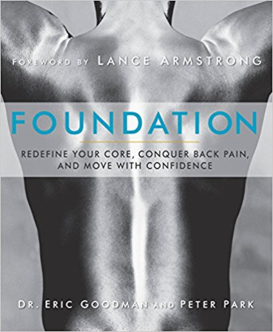 I purchased a used copy of the book Foundation: Redefine Your Core, Conquer Back Pain, and Move with Confidence by Eric Goodman and Peter Park, a revolutionary book on exercises to strengthen your back muscles. I diligently read all the introductory stuff on why it works and then began slowly, adding a new daily stretch only after I’d mastered the first. Once my back muscles learned this new way of bending, I found I didn’t have to continue the regimen after the first month. Now, occasionally, if I feel a little twinge, I immediately go into the stretch routine and it seems to fix the problem.
What I learned: Gratitude! Do what you can, not complain about what you can’t do.
Dance
First, you have to know that I was raised in a culture that taught that dancing was a sin. Even “sacred movement” was a stretch for my imagination. Through the years, however, reason overcame emotion and I knew it was time to attempt the impossible. Somehow my eldest daughter Sharon inherited her grandparents’ (on Scott’s side) ability to move her body in ways that mine rebel against. She urged me to go with her to her dance studio to take my first ever ballroom dance lesson—the waltz. To make sure I would have a successful experience, Sharon taught me the box step in the privacy of my living room. I was shocked to discover I could actually follow instructions and make my body do what the instructor said: start with my right foot going backward and count out loud to six. Why did I think this would be so hard to do?
Next, I signed up for free line-dancing classes at the St. Clair’s Senior Center. The teacher was so patient and kind and encouraging that I actually began to have fun in spite of my two left feet! Will I continue? I doubt it. I just wanted to be able to say I did it.
What I learned: Quit the negative self-talk! With a positive attitude and lots of practice, I found some measure of success in this endeavor. (p.s. Didja notice I purposely have no photo for this one?)
Learn Something about Photography
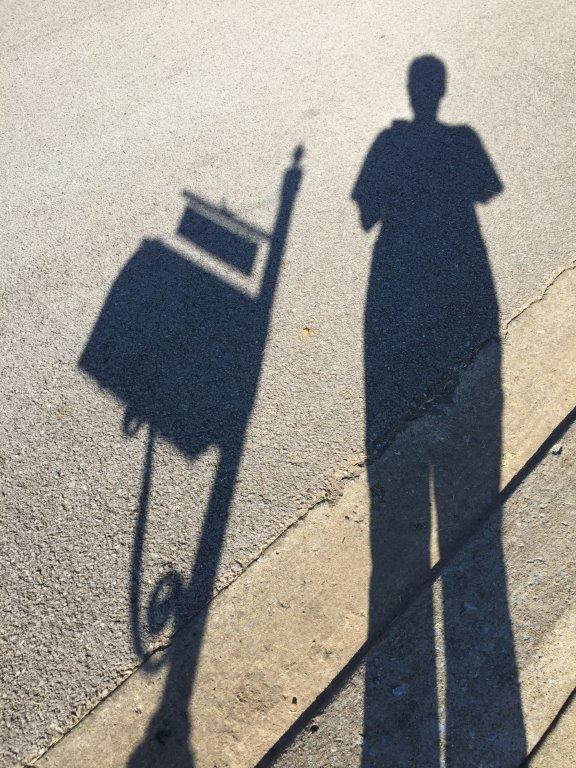
Late afternoon walk
This was a rather nebulous goal since I didn’t know what I didn’t know. If you look at the photos on my phone, you’ll notice a theme: flowers, trees, flowers, trees, grandchildren, flowers, trees, grandchildren. I wanted to improve my ability to perceive what makes a good photograph, so first I enlisted my youngest daughter Katie, a professional photographer, to give me a lesson. We talked about perspective, lighting, and the rule of three and what makes a photo interesting. Next, I picked up an old textbook at a secondhand store and read through all the chapters except how to develop film (I said it was an old textbook). I figured out I didn’t care about apertures and lens types. I just wanted to learn more about composition, framing, clutter, etc.
What I learned: “It’s not what you look at that matters. It’s what you see.” (Henry David Thoreau)
Learn to Draw
I claim that when my sister Grace (a renowned gourd artist gourdsbygrace.com ) was born, she sucked all the artistic genes out of my mother’s womb and left me with the dubious ability of drawing stick figures and crooked lines. Our middle daughter Cindy is a master 3-D sculpturist. Talk about intimidating! I am in awe of her artwork. But she agreed to give me a lesson in the basic elements of art.
So what is a girl to do if she just wants to learn how to draw? I ordered a used copy of The New Drawing on the Right Side of the Brain, by Betty Edwards, and discovered that I’d been fooling myself all these years. I actually could draw if I could just get past my left brain!
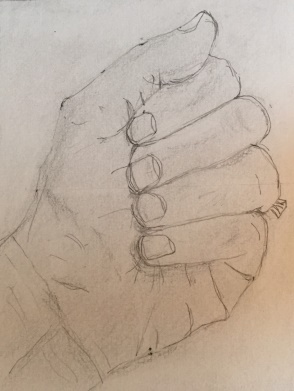
My left hand
Over the course of the year, I worked through the exercises in the book and began to train myself to see the world through different eyes. Will I ever be as good as my naturally-gifted family members? No way! I don’t have the drive or passion to spend the hours it would take to develop this skill. But it was a fun process of discovery.
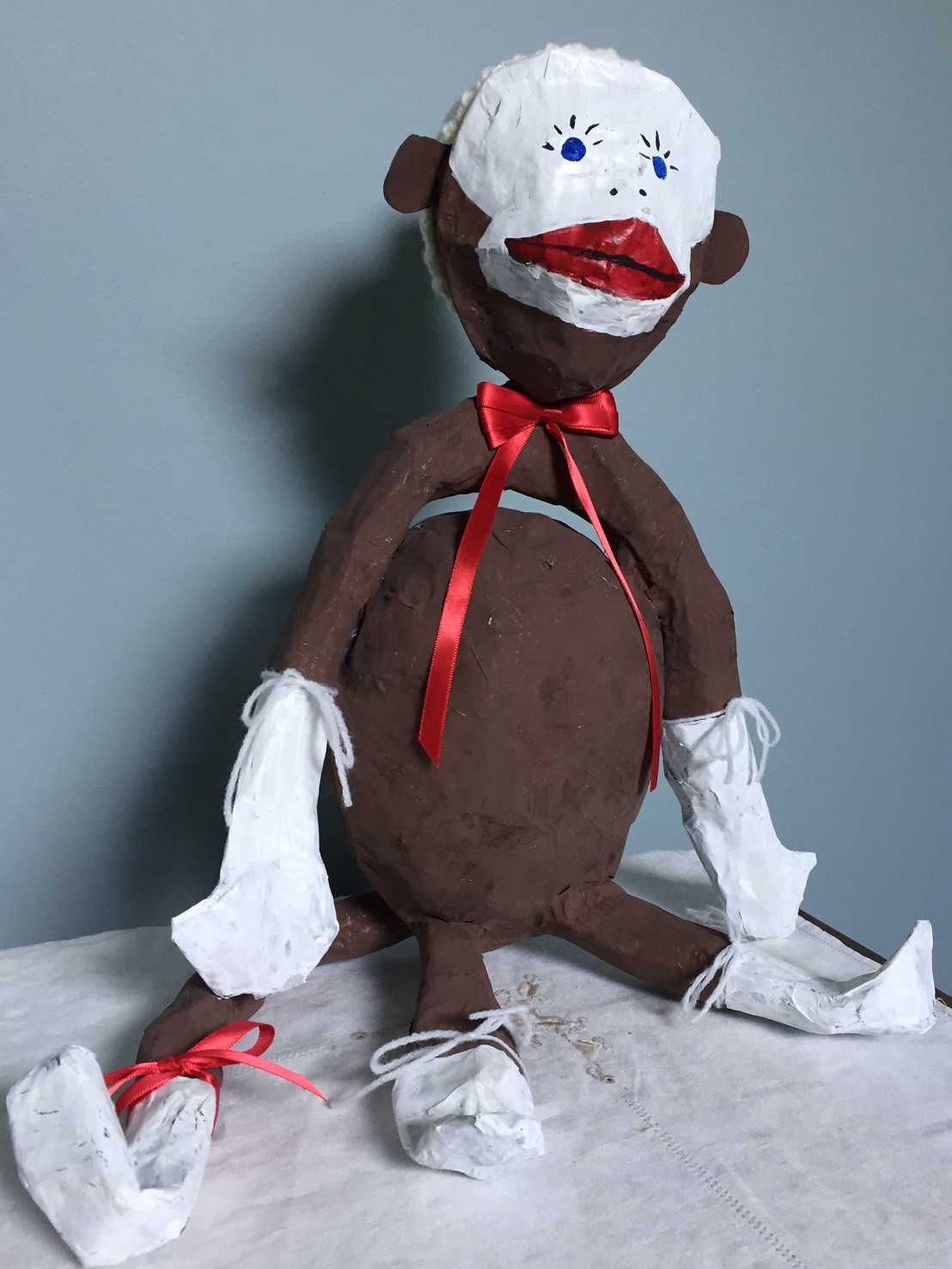 Then a friend told me about twice-a-month free art classes for senior citizens (there’s some compensation for getting older apparently). I decided I needed to get over myself and just make an attempt, no matter how bad the result. The teacher was encouraging and complimentary, and I began to gain a little more confidence each time I went. We were introduced to a variety of styles and mediums and techniques, so every attempt made me feel like a first-grader, but I made some new friends and we all muddled through it together. I threw away most of my creations but kept my papier-mâché monkey to add to my sock monkey collection.
What I learned: I was shocked to discover that I could actually do what I thought was impossible.
Visit a new country
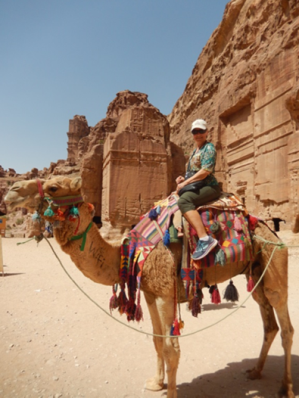
Petra
In April, Scott and I had the privilege of returning to Israel with Charlie Dyer (The Land and the Book), but this time we also visited Jordan. I found myself stretched in the dry wilderness, the border crossings, the foreign food, mosques in every town and village, the ladies all dressed in hijabs. But I think my biggest stretch experience was peeing while squatting over a hole in a bathroom stall and having to call for help from the male attendant when the door jammed shut!
The highlight for me was visiting Petra where I experienced my first camel ride. There we learned about Nabateans and the spice routes, and we purchased samples of frankincense and myrrh—gifts the Magi gave to Jesus at His birth (more expensive than gold we learned).
What I learned: Make sure to invest in good walking shoes. Stay hydrated but time your bathroom breaks!
Learn the Hebrew Alphabet
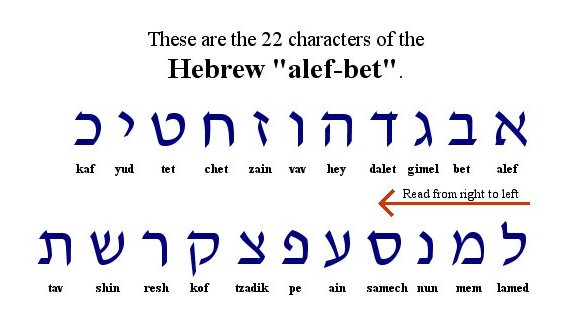 In preparation for our trip to Israel, I found a website “How to Learn the Hebrew Alphabet in Under 1 Hour.” I tried it and it worked! Except that after that hour I forgot it. Yes, at my age it takes ten times as long to make information stick in my brain, so I had to keep practicing and reviewing and practicing and reviewing. However, I managed to make out most letters on the street signs in Israel. Never mind that I didn’t know what a word meant. I was just excited to be able to recognize the alphabet—read from right to left of course. Now that I’m back in the USA, I’ve forgotten half of it again. Sigh.
What I learned: It didn’t occur to me that, like English, there’s a difference between hand-written, printed, and signage letters, and oh, don’t forget the dots. Confusing!
Read War and Peace
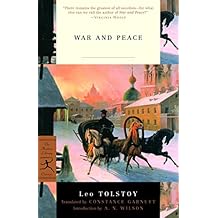 Ever since I began reading the classics in junior high, people would shudder if you mentioned the epic novel War and Peace by Leo Tolstoy. The length alone was a deterrent to any but the most dedicated reader (my paperback copy, translated by Constance Garnett, has 1,386 pages). Besides, I have a mental block against the subject of history, so why not add this novel to my stretch goals this year! Before I began reading, I had zero knowledge of Napoleon, of Russian history, and of the War of 1812. I wish I’d known ahead of time that there was a summary of the War on page 1346.
I was determined not to cheat by reading Cliff Notes or downloading a list of characters from the Internet, so after encountering 61 characters in the first section alone, all of whom had multiple names and some had nicknames, I had to create an Excel chart to keep track of them all. I wouldn’t know which ones were important to the plot of the story till later. (Just so you know, among the four characters named Marya, Marya Dmitryevna Ahrosimov was not important.) And even then, deep into the novel, I had to continually refer back to my chart to figure out who was in love with whom. Eventually, I learned that I could ignore 90% of the names and keep following the handful of main characters.
I was so proud of my progress until the day I mentioned it to my history buff friend John Rogalsky who casually observed, “Oh, yeah, I’ve read it twice…” Are you kidding me?!
My favorite Quote: “I simply can’t understand why men can’t get on without war. Why is it we women want nothing of the sort? We don’t care for it.” (Prince Andrey’s wife Liza, p. 24)
What I learned: So was it worth it? You bet! I’m glad I did it, not just for the accomplishment but because of all that I learned in the process. Tolstoy had a lot to say about the causes of war, the forces that move nations, and the role of leadership in history. I also learned some new vocabulary words like cunctator (procrastinator) and excrescences (nodules or growths) and contumely (insolent or insulting language or conduct).
Maintain a Blog
Well, here you are! I had already typed up 40 pages of entries from my hand-written 2007-2017 journals, so I just started there—picking out topics that seemed relevant to this journey called life. And, yes, the over-arching theme I discovered was my pursuit to find inner peace.
What I’ve learned: Some people actually read this stuff. Astonishing!
Lose 15 Pounds
 I have an inherited blood sugar issue, so the thought of food reduction makes me nervous. Everyone has his or her own pet weight loss plan, but this is what worked for me. I downloaded the app “Lose it” and set my goal to shed 15 pounds at the rate of one pound a week. I loved how easy it was to keep track of what I was eating. Will I set a new goal? I’m not sure yet. Who gets to decide what’s a healthy weight for my age and gender? I feel better, and that’s what counts. The downside, for someone like me who hates clothes shopping, is I had to buy all new pants.
What I learned: Cheating on the app doesn’t help. It’s what you’re actually doing that counts. And drink, drink, drink. My goal was 64 oz. per day. Ugh. But it really and truly made all the difference in my success.
Play Golf
 Notice I didn’t say, “Learn to play golf.” Anyone who knows my husband Scott knows that he was born with a golf club in his hand (his grandmother was a Canadian golf champion). Early in our marriage, Scott begged me to join him on the golf course, but my golfing career ended before it got started. The day I relented we were on the second hole when I got a call from the elementary school saying I needed to pick up a sick child. That was the end of that! But when my excuses finally wore themselves out (no money, too busy raising kids, no aptitude, arthritis pain), my sister-in-law gave me her old clubs, Scott bought me a golf bag for Christmas (oh goody) and signed me up for golf lessons with a pro. Thanks, Honey (okay, so there’s a tiny bit of sarcasm attached). My initial goal was not to learn to play golf but to simply spend time with my husband.
What I learned: When I started hitting that little round sphere well enough for it to go up in the air and forward instead of dribble, dribble, dribble, it actually started to get fun. I love being outdoors, so that is a bonus. Oh, and don’t let your husband give you lessons. Just don’t.
Listen to the Beatles
As a sheltered child of missionary parents whose sole musical exposure in Africa was church hymns and Gilbert and Sullivan (my mother’s favorite record), I shunned all things that smacked of rebellion when we came to the States. Listening to the Beatles was off-limits. Unable to converse with the music lovers in my family, however, I decided it was time to educate myself. I grabbed a biography from the library and learned all about quiffs, skiffle, winkle-pickers, and twat ‘ats. (If you don’t know what those are either, I’ll feel vindicated in my ignorance.) And then I listened to about as much music as I could take from a group that lived for sex, drugs, money, and creating new sounds.
What I learned: Just about everything, since I knew nothing. But what I learned confirmed why I’m still not a fan.
Biggest Surprises: The song “Ob la di, ob la da” [which I’d heard but didn’t realize was a Beatles’ song] meaning “Life goes on” was a phrase Paul McCartney heard from a Nigerian friend in London!
I also discovered that one of the first Beatles’ songs was a ditty we sang as children—“My Bonnie Lies Over the Ocean.” Who knew!
Do Some Brain Exercises
After reading The Organized Mind—Thinking Straight in the Age of Information Overload, by Daniel J. Levitin, I was challenged to download an app called BrainHQ (from Posit Science) that provides daily exercises to improve one’s brain. By December I was tired of setting goals and keeping them, so there was no “daily” about this! I thought about purchasing the full version, but I knew I’d never take the time to make this a priority. As an alternative, I considered learning to understand American football, but I couldn’t muster up enough interest to follow through with it.
What I learned: How can one measure if one’s brain capacity has increased? I’ll have to take the experts’ word for it. I think it’s now time to give my brain a rest!
Now it’s your turn. Did you have a Word for the Year? How did yours turn out?

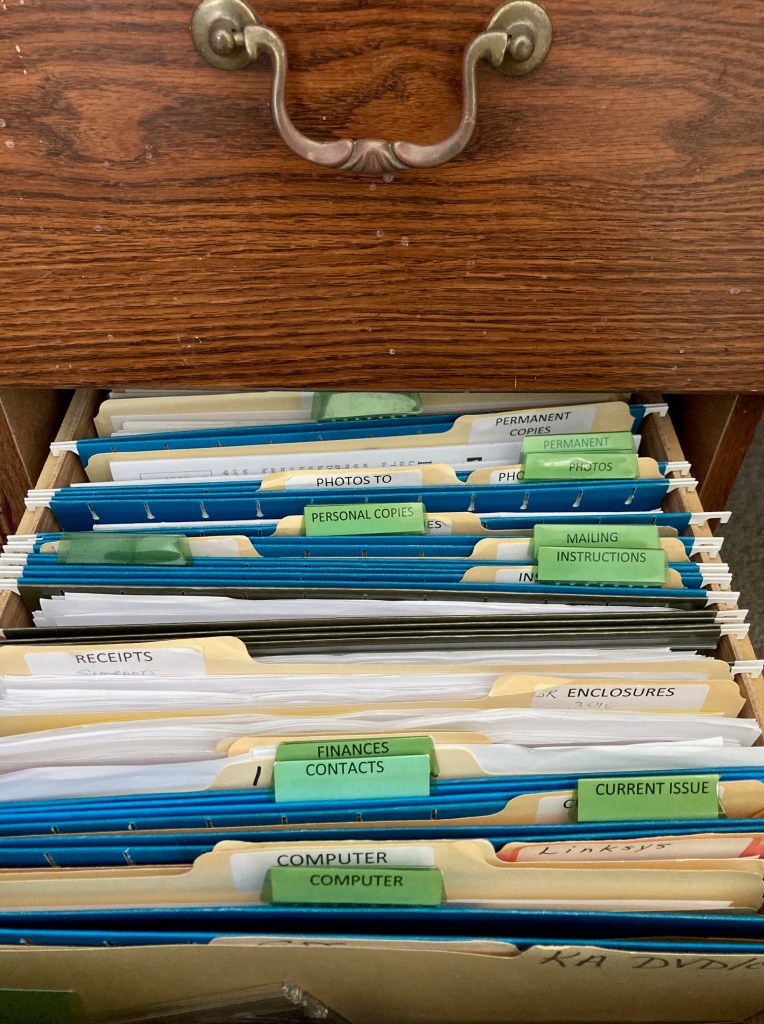
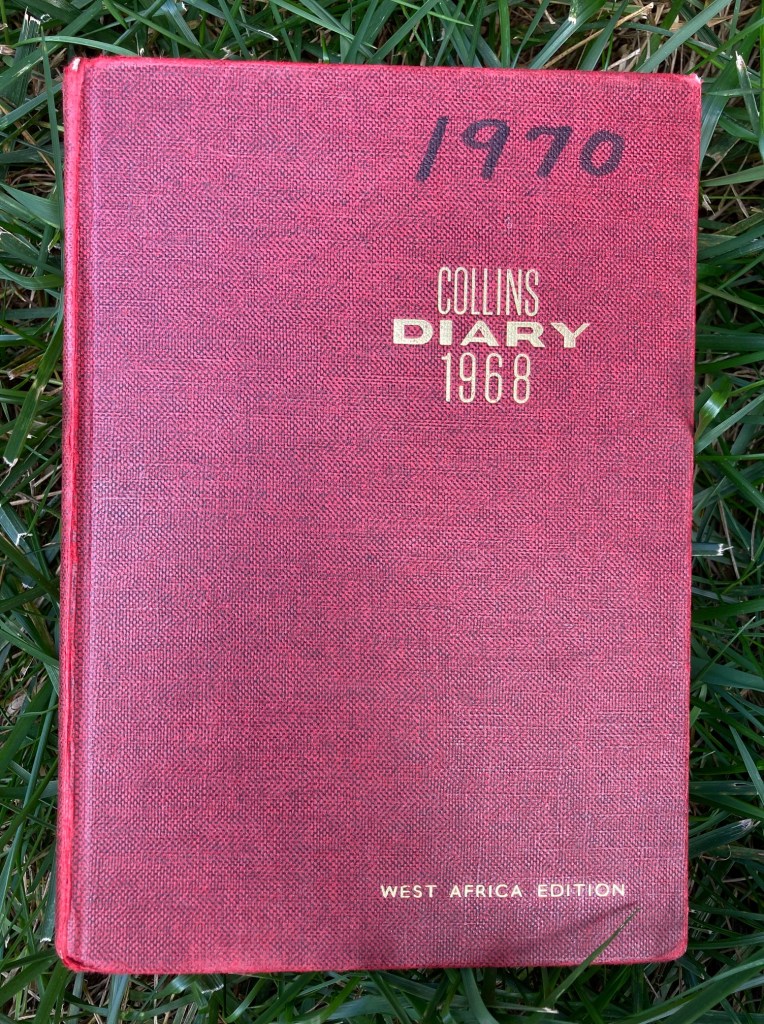

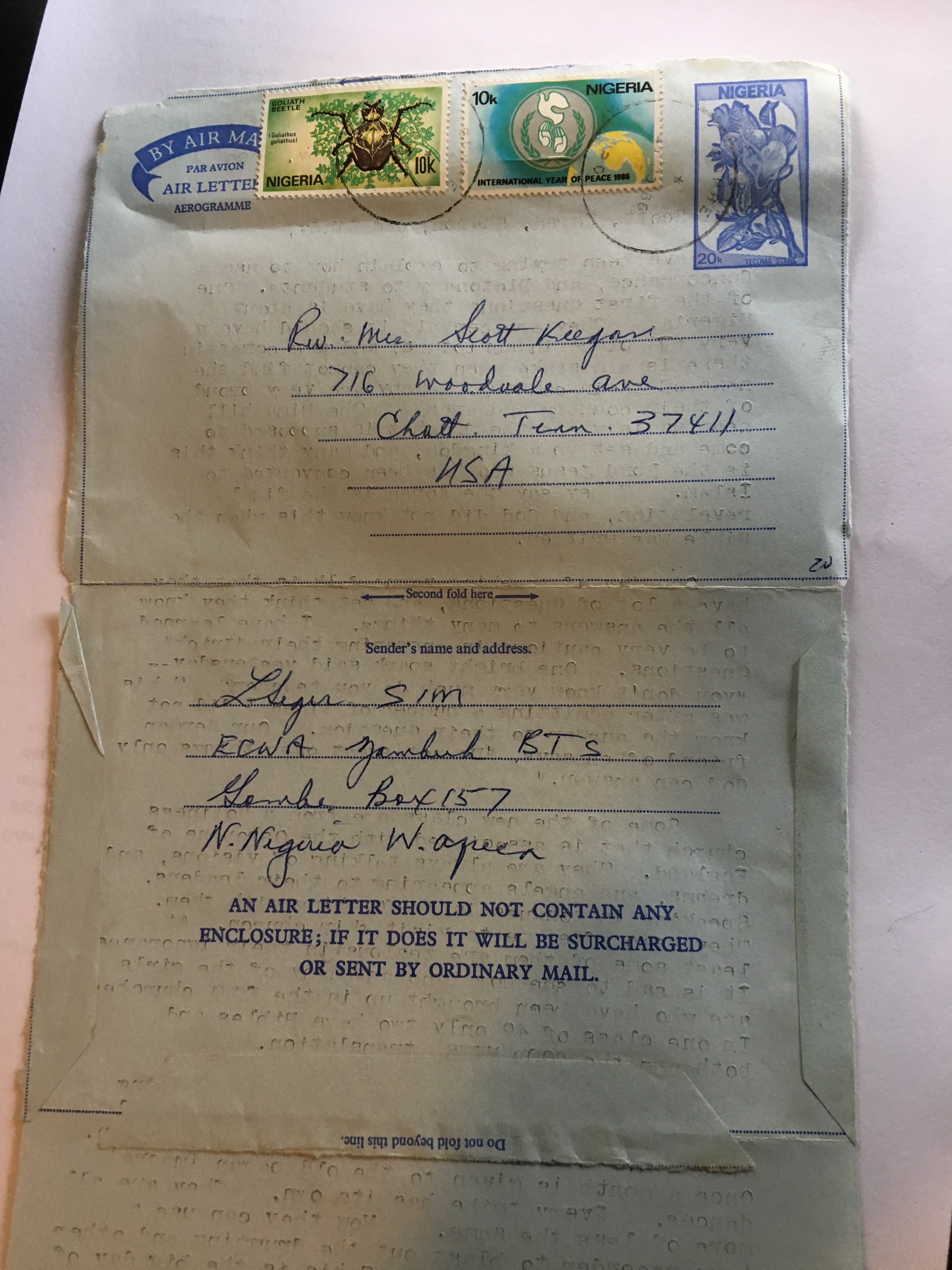 From my 2015 Journal. My father was a prolific letter writer, and I followed his example for many years, handwriting weekly missives to all my friends. On more than one occasion, someone has kept a letter I’ve sent and, long after I’d forgotten about it, shared it with me. It’s scary to think that something I said 40 to 50 years ago impacted someone so much that they kept it on file. Technology, meanwhile, has opened up a venue for exposing us like no other medium I know. I’m often surprised to see copies of letters or documents that were kept, photocopied, and posted online for the entire world to see. These become permanent records somewhere “out there” for future generations to mine through and discover.
 In the Pursuit of Peace