Journal 2016
“They did not believe it [the resurrection]” (Mark 16:11 NIV).
“They did not believe them [the 2 men on the road to Emmaus] either” (Mark 16:11).
“Jesus rebuked them for their lack of faith and their stubborn refusal to believe those who had seen him after he had risen” (Mark 16:14).
Why is it so hard to believe someone else’s testimony? And when evidence is right there in my face, why do I refuse to believe it? What makes me dig in my heals and deny the truth? Everyone (including Mary, the ten disciples, and eventually Thomas) finally believed when they experientially saw Jesus with their own eyes.
I suspect fear is at the bottom of it. When I’m working with clients with D.I.D. (Dissociative Identity Disorder), the denial parts might say, “If I believe it happened, then I’ll have to admit it was real.”
“Then what?” I’ll ask.
“Then I’ll feel overwhelmed (. . . or scared . . . or someone might find out . . . or I’ll be killed).”
I wonder what lie the disciples believed that kept their denial part in place: “It’s too good to be true (. . . or I can’t let myself feel hope for fear I’ll be disappointed).” I think that’s it. Jesus’ death was a HUGE disappointment, an overwhelmingly painful loss.
Yet when Jesus met them, He didn’t encourage them like He did when someone was fearful. He rebuked and chided them for their unbelief. According to I Samuel 15:23, stubbornness (ASV) rebellion (KJV) presumption (ESV) defiance (HCSB) is as the sin of witchcraft. Apparently, there was an element of demonic control or attachment that perhaps got planted at their point of pain. Jesus doesn’t need to dig around in their psyches to help them discover why they’ve dug in their heels. He bluntly rebukes them.
God is patient with our struggles, our fears, and our doubts, but He’s not so patient with lack of faith. How many times did He say, “O ye of little faith?” There’s no pointing of fingers here. I’m plenty guilty myself. But my heart strongly desires to root out all stubbornness, rebellion, and lack of faith.
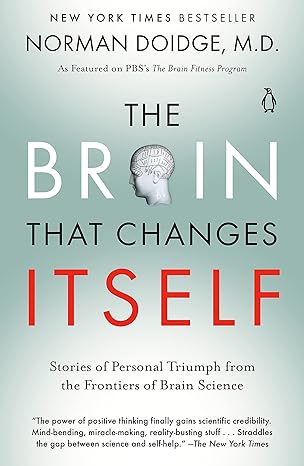
I’m currently reading books on the neuroscience of the brain and wondering how to meld that knowledge with Jesus’ words.
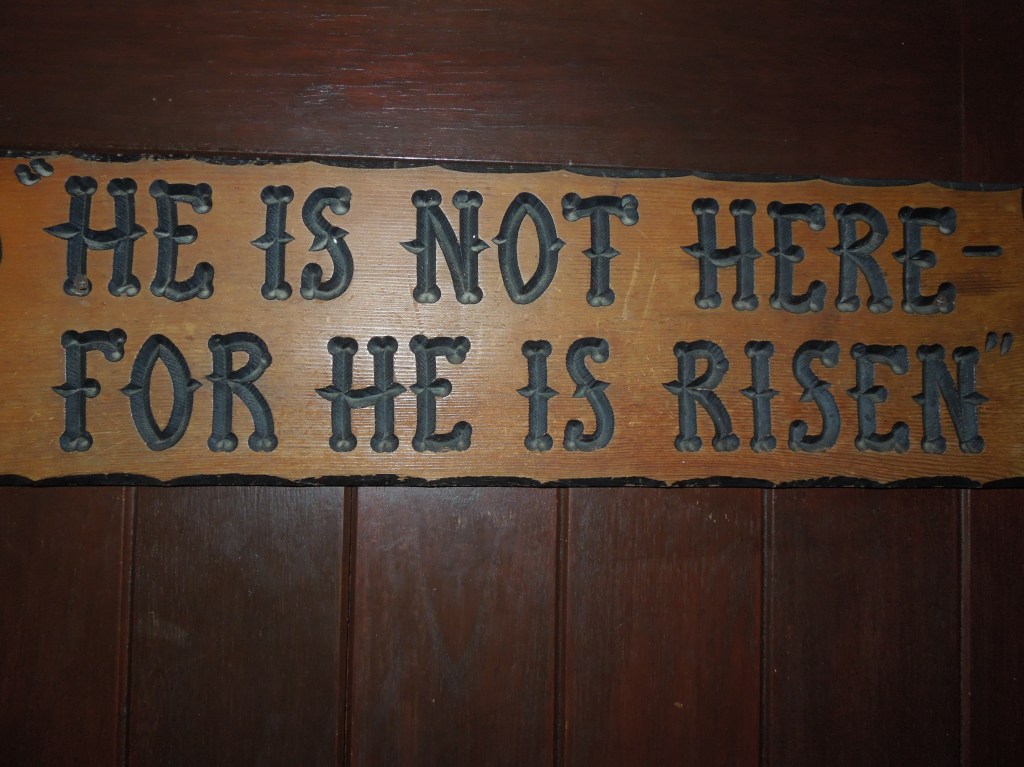
The women at the tomb believed as soon as the angels spoke truth to them. The men, however, continued to doubt when presented with the evidence (the women’s testimony and an empty tomb). The disciples on the road to Emmaus couldn’t seem to grasp the truth, and Jesus rebuked them. Even when the disciples saw Jesus in the room, and the joy center of their brain was activated, they had a hard time believing.
We know that the brain is a complex organ—different parts of the brain are responsible for different functions. The occipital for eyes, the amygdala for emotion, the frontal cortex for logic and reasoning, and memory resides in a different part.
Jesus created the human brain. He knew what part of the brain was being accessed during fear (Peter walking on the water; the disciples in the storm on the sea of Galilee). He knew that the frontal cortex shuts down during a fight/flight/freeze situation. Yet He seemed impatient with them: “Why do you doubt? Why do you have so little faith? Why don’t you believe when the evidence is in front of you that I’m alive? Stop doubting!”
What makes us doubt? Is the emotion center too strong? Are there lies imbedded in that emotion? Once truth enters the brain, doubt and fear flee. Jesus understood all this, so was He really impatient or was He challenging them to accept HIM, the truth, the way, the life?
I think women often believe more easily than men. Perhaps that’s why Satan appealed to Eve first. Is that because our emotion center is more active than our reason center? Was Jesus instructing these men to get in touch with their emotional side? Women are also more apt to be duped, more gullible. I know I am.
Lord, help my unbelief.
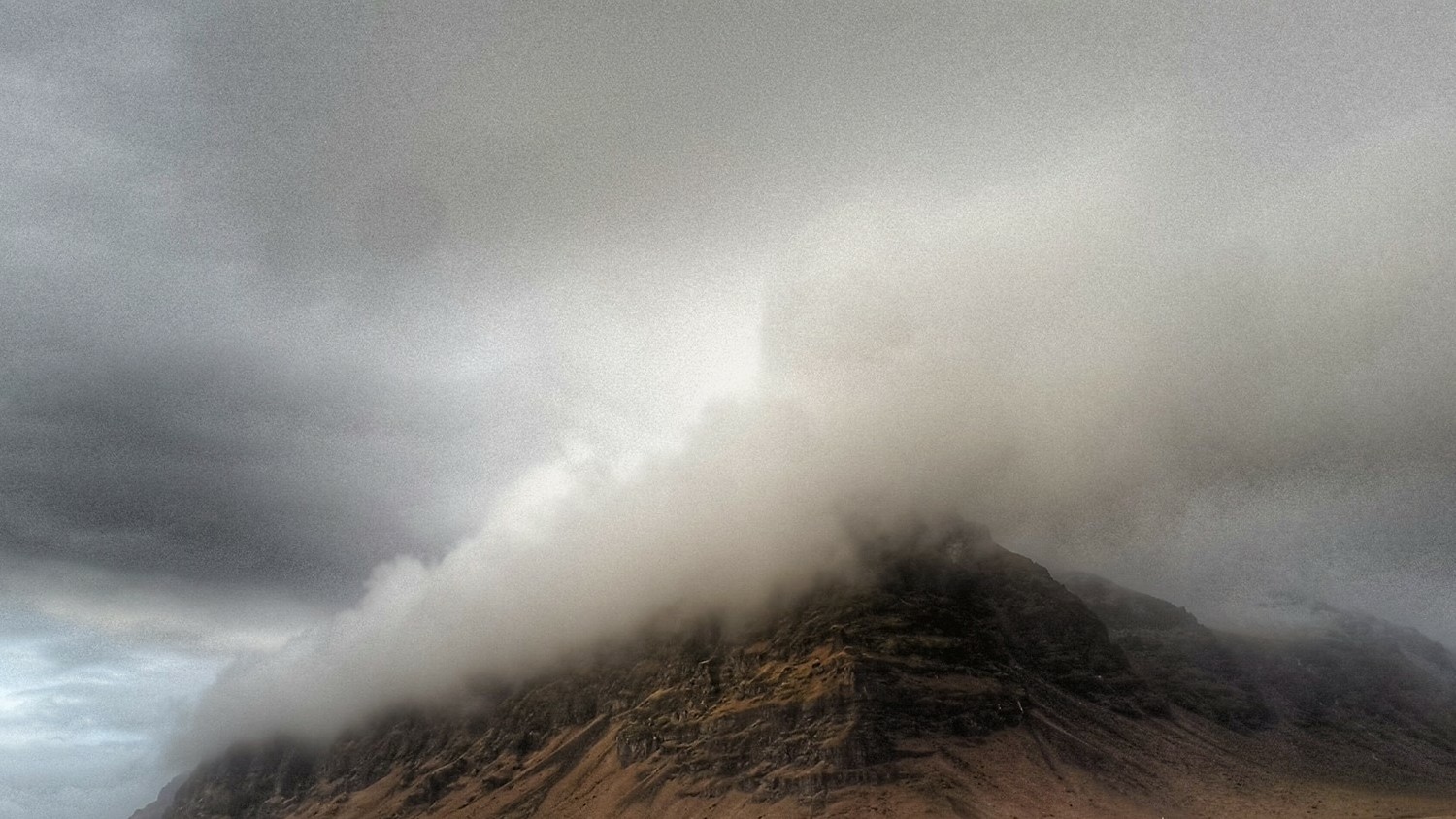 Visual: I am the Israelite at the foot of the mountain who is forbidden from getting too close to the mountain. I’m never Moses and Joshua who climb the mountain and see God face-to-face. I stand at the foot and tremble at the smoke. Only the chosen one is permitted on the mountain. (The funny thing is, Moses had nothing to do with God choosing him. And besides that, he had a flawed character.)
 In the Pursuit of Peace