Journal 2018
Your robes are all fragrant with myrrh and aloes and cassia. Ps. 45:8 ESV
We talk of the beauty of heaven and even the sounds, but seldom do I think about the anticipated smells.
I grew up in a different country than my husband. To prepare him for a visit to the land of my birth, I showed him pictures; I spoke to him in Hausa; he touched the curios I’d transported from overseas. But how could I share with him the smells of a place he’d never been to? He loathed my malodorous dadawa (fermented beans used as bouillon in tuwo da miya), but I wanted him to experience frangipani and guavas and baobab fruit. The minute he stepped onto the airline bound for Nigeria, the biggest assault to his senses was not the sights or the sounds, but the smells. I thought he’d pass out!
I can’t say that I have a favorite fragrance, but I am partial to the headiness of bread baking in the oven, the duskiness of rain approaching, or the intoxicating scent of sheets drying on a clothesline. I know little of myrrh and aloe and cassia. I can’t get excited about something I can’t relate to. The very words sound overpowering. I prefer light, fresh scents. I avoid darkly scented candles, most perfumes (including Essential oils) and heavily scented deodorants. Both my cat litter and my detergent must be unscented.
For sure, our visual capacity will increase in heaven, but will our sense of smell be different as well? I just know that there will be no malodor or distaste associated with my King’s garments. We will be drawn to it, delight in it. There will be nothing artificial or decaying or sour or bitter. It will be unlike anything we’ve ever experienced here on earth. I have no hooks on which to hang an odor I’ve never smelled before.
When we use words to describe something visual, we include a myriad of parameters: height, weight, shape, color, etc. But when we try to describe a smell, we’re reduced to one-word descriptors or similes, often connected to taste: bittersweet, salty, bland, lemony, spicy, peppery, acidic. Smells can have qualities such as delicate, overpowering, pungent, or acrid. But even those fall short when trying to describe an odor you don’t taste like pine or roses or rotting flesh.
We have associations with smell, like my mother’s cinnamon rolls, like a boy’s locker room, or like a friend’s Chanel No. 5. Our brains have smell memories—one whiff of something and we’re transported back to a time when we first experienced emotion with it. I know one MK (Missionary’s Kid) who stowed a scarf inside a sealed jar so she could pull it out occasionally to bring back her olfactory memories.
Besides a reference to His garments, I checked a concordance for other scripture references to fragrance. “Sweet smelling” is used most often in the Bible. I doubt this means sickly sweet but rather in a beautiful (a sight word), soft (tactile), pleasant sense.
- Evil odor
- Foul odor
- Fragrance or pleasing aroma of Christ
- Fragrance of His knowledge
- Good ointments
- Lebanon (cedar)
- Mandrakes (wonder how they smell)
- Of a field which Jehovah blessed: sweet
- Of death or of life
- Of the cloud of incense
- Of the face like citrons
- Of water
- Perfume
- Pleasant fruits
- Pleasing odor
- Spikenard oil
- Sweet aromas
- Sweet fig trees
- The smell of battle
- The smell of fire
- We are a sweet fragrance to God.
- His breath
Aroma, scent, savor, tang, reek, stench, feted, stink, and whiff—and that about exhausts the list, both in the dictionary and in the scriptures.
What’s your favorite scent and why?
A 2025 Update. This meditation is even more poignant to me after my year-long sense deprivation with COVID-19. Like a blind person who looks forward to seeing heaven’s beauty, I can’t wait to get my first deep whiff of heaven’s scents.
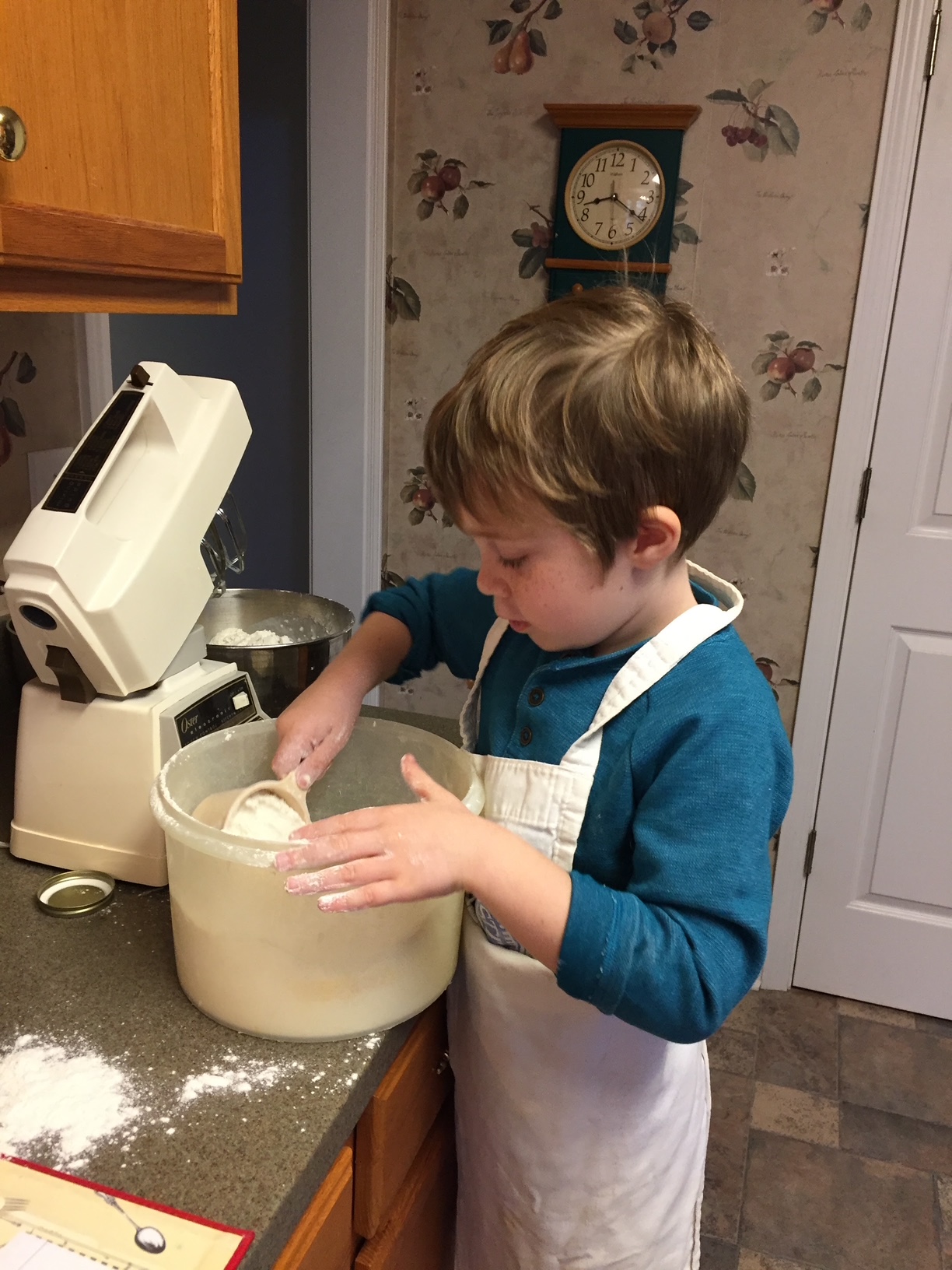



Passing on the tradition with my grandsons

 In the Pursuit of Peace