Journal 2006
Regret is like being covered in mud—easily washed off with some divine truth. But if my actions cause others to suffer (whether intentional or not), and they end up with mud in their eye, saying sorry doesn’t reverse the consequences.
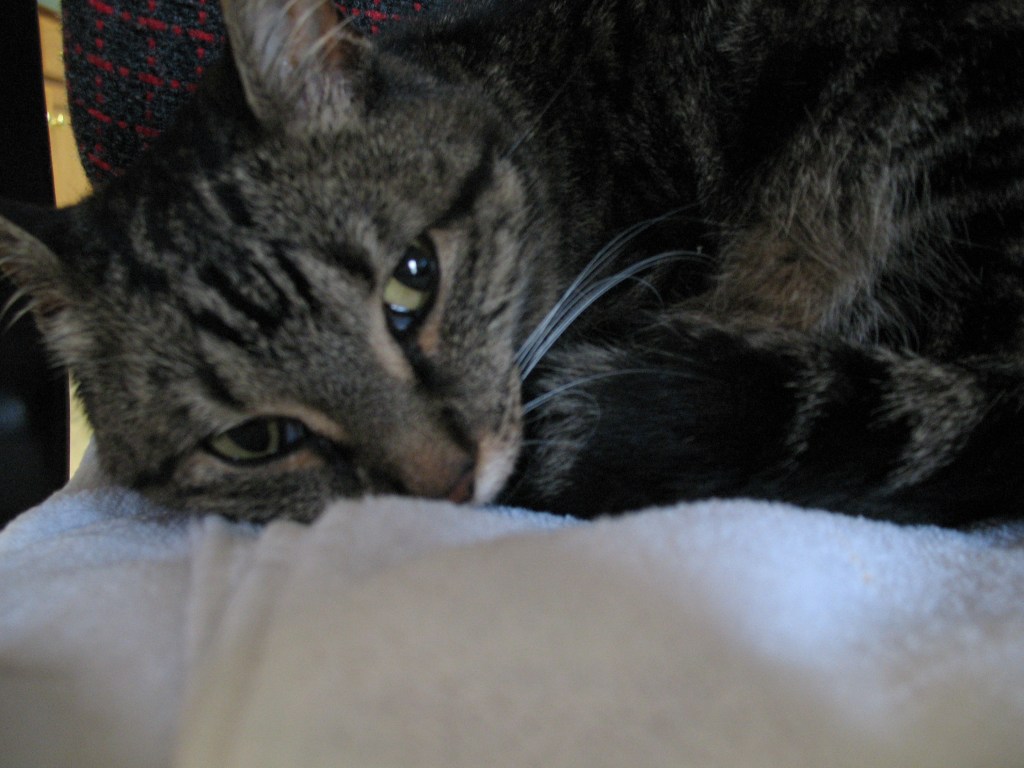
One time, I accidentally ran over a cat that darted in front of me. Out of the house flew a lady screaming, “You murdered my Fluffy!” I was terribly sorry it happened; I duly apologized and offered to assist her, but she refused my help. I had to leave her sobbing in the street, dead kitty in her arms, with the pain of her loss in her heart.
I am no murderer. Involuntary kitty-slaughterer, yes, but it was an accident. I felt sorry for the cat and for the lady, but there was absolutely nothing I could do to resurrect that animal or ease the woman’s pain. I prayed for them both.
I had metaphorically kicked sand in her eyes. I can apologize and offer to help wash it out. At the point of her refusal, however, my obligation is done. It is her choice to tolerate the sand and not wash it out herself. All I can do is walk away—or sit on a log and watch—and if she starts to stumble, to catch her because she can’t see the logs under her feet. But if she refuses my help or rejects me, I’m wasting my time staying with her on the beach.
Addendum: the cat lady’s neighbor put my mind at ease when she came out to see the commotion. “Don’t worry,” she said, “I’m not surprised. It was just a matter of time before that dumb cat would get hit, for it kept crossing the street.”

 In the Pursuit of Peace