Memoirs

Journal 2017

Every life is both ordinary and extraordinary—it is the respective proportions of those two categories that make life appear interesting or humdrum. (William Boyd, Any Human Heart)

At funerals, we may read four-paragraph summaries of people’s lives. Families and friends may recount a few stories, and that’s the end of the tale. Most people don’t get written up in history books, and the few that do lived extraordinary lives with interesting stories to tell. And even then, one 300-page book hardly does justice to 90 years of daily living.

A story can camp on one picture, teasing out all the minute details, turning over each leaf to examine what’s underneath. Or a story can gallop through facts, summarizing large chunks of time. Ground view or bird’s eye view, the Bible has both. We get details of some individual stories of Jesus’ miracles but only summaries of other ones. Same with the Apostle Paul. We quickly sail with him through a list of cities and then stop still to examine one incident.

A new acquaintance recently asked me that cringing question, “Where are you from?” My answer often depends on how long I want to engage in the conversation. An hour later, after answering her many questions, she exclaimed, “You have to write your story!” I just shook my head. My childhood sounded foreign and exotic to her, but normal to my MK community.

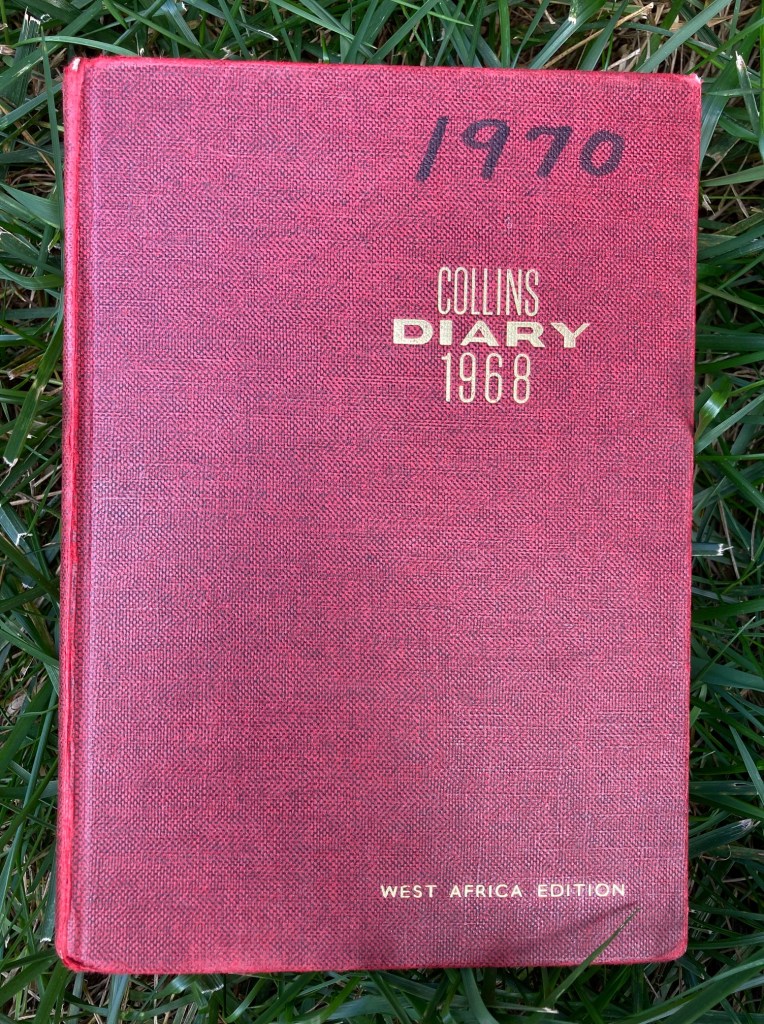
My girls have also asked me to write my story. I’ve written in journals for 50+ years, but that’s not what they’re interested in primarily. They want to know the details of my childhood, before I started recording, but I’m old enough now that the memories are fading. Only a few snapshots remain, some recorded on film. I’m a big-picture kind of person and not into details. If I wrote a memoir, I’d want to focus on the defining moments, incidents, or epiphanies that changed the course of my life—and perhaps that’s what I accomplish with this blog.

A 2023 Update. My Assistant Editor and friend Dan Elyea, who passed away this month, spent years trolling for memories from his parents, his siblings, and his own life and recording them for posterity. It takes time, intentionality, and perseverance. Sorry, girls, but I’m not sure I have the time or interest to follow in his footsteps. I’m too busy living in the moment. Just grab a few copies of Simroots and you’ll find out what life was like for me growing up in a boarding school overseas.
TV and Movies

From my 2009 Journal

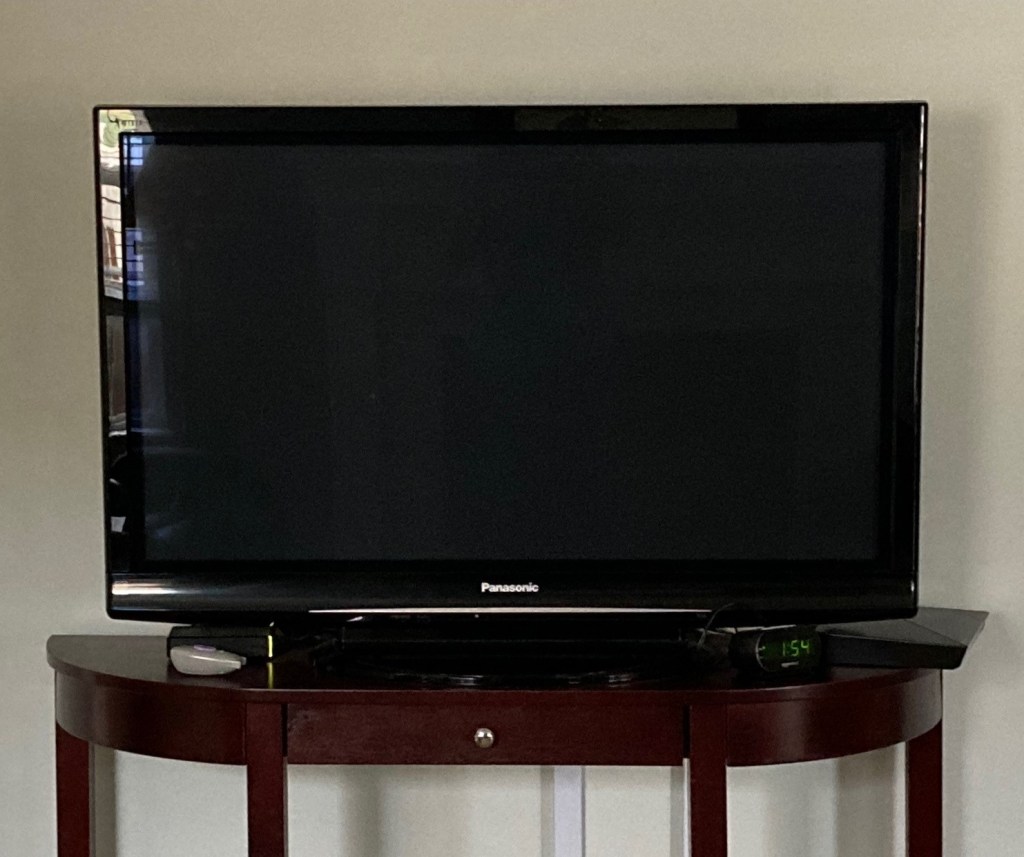
I was reared in a small African village without the basics of running water, electricity, or flush toilets and, thus, no TV or movies. I remember as a first grader on furlough being mesmerized by black-and-white cartoons flashing across the screen of my Grandpa Peterson’s small TV set, and then again four years later, on our next furlough, unable to unglue my eyes from this novelty.

I struggle to navigate parenthood without experiential knowledge in monitoring entertainment. What makes a good story great? What details make it acceptable? What scenes are suitable for my children to watch? What images will leave them with nightmares and fears? At what age do I allow exposure to realistic scenes? When is violence and sexual content and adult language appropriate and for what audience? I don’t think I can predict what that limit is . . . until it’s too late. These decisions for my children are messy ones for each stage of their growth. How can I be wise, balanced, and sensitive to their needs? How can I push back against the culture?

Unfortunately, some children experience far too much reality for their age; others are exposed to it by their peers. How long can I or should I shelter their innocence? Information, should they desire to gain access, is readily available but, as a parent, I have a responsibility to guide them.

Scream Time

From my 2009 Journal. What makes a good story great? What details make it acceptable? Realism? What scenes are acceptable for children to watch? What stories will leave them with nightmares and fears? At what point or age or maturity do we allow exposure to “reality”? Some unfortunate children experience far too much reality for their age. Some are more sensitive to violence and others to PG rating content and others to language. How long can we or should we as parents or grandparents shelter their innocence?

I don’t think we can predict what that limit is for a child . . . until it’s too late. We were pretty strict about what movies we allowed our girls to watch; but it wasn’t until she was an adult, that one of my imaginative daughters reported having had nightmares of spiders and wolves from our bedtime story The Hobbit. Who knew!

Spider

These decisions for our children are messy ones for each stage of their growth. How can we push back against the culture? My girls are grown now, and I don’t have to grapple anymore with these questions. But soon I may be influencing grandchildren, and I need to know what limits and boundaries are best for them.

And now it’s 2020, and I have 4 handsome grandsons to love on. I find I don’t think much about these questions anymore because I’ve relinquished all control and decisions to their parents (I’m thankful they have good boundaries). And when the boys are solely under my care, I’m far more apt to engage with them face-to-face with table games and hikes and playgrounds and reading or telling non-scary stories than to indulge in screen time together—or as one grandson calls it: “scream time” (and I’ll never correct him!)