Journal 2018
There’s a part of my heart that is holding my breath while cringing in a corner behind a metal shield. I’ve closed myself off to a friend.
“What good does that do?” I wonder. Lord, I need your help.
“Do you trust Me?” Jesus says.
“Of course,” I reply, though I’m not sure I trust myself.
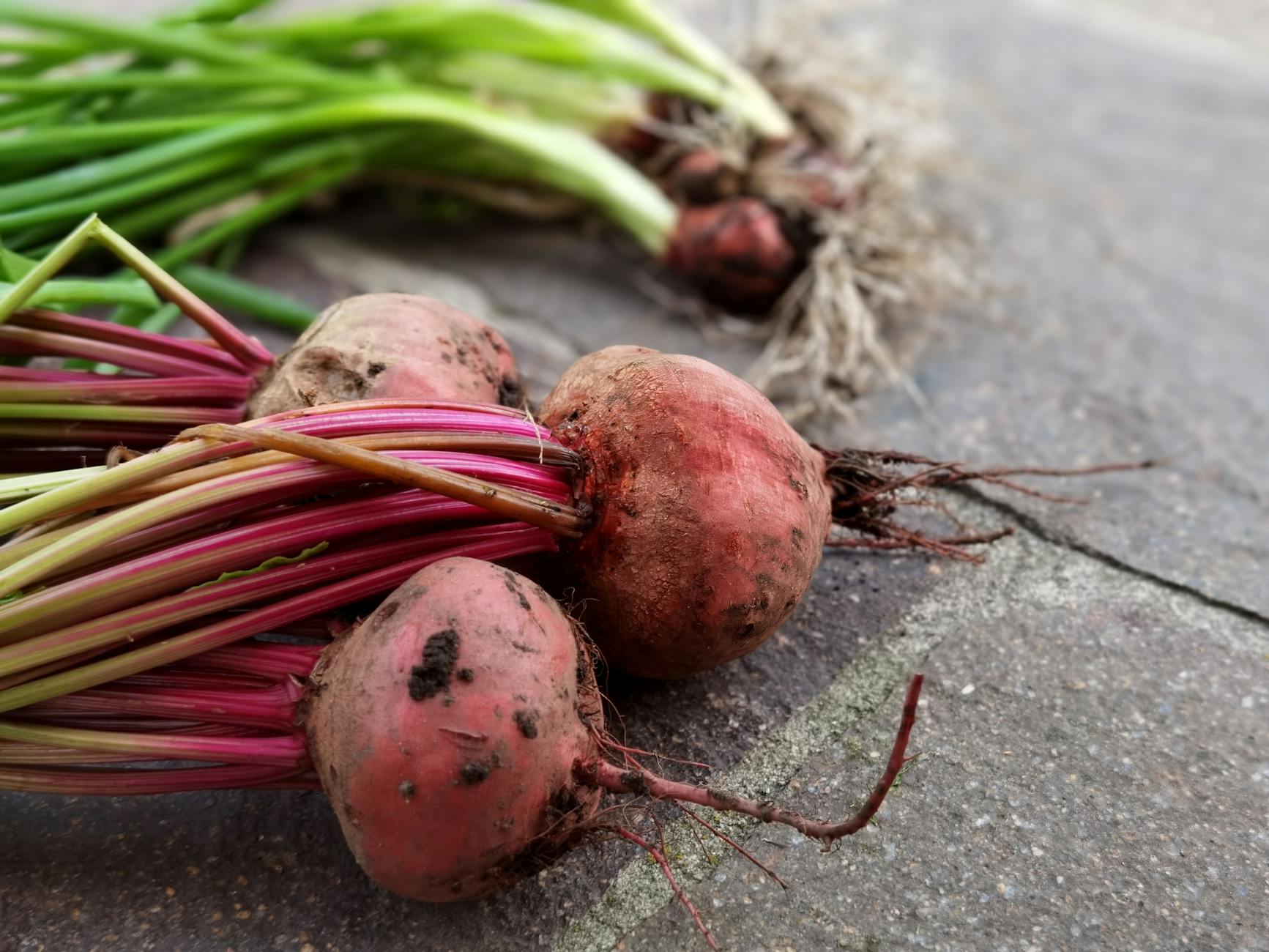
“Then put down your shield and come walk with Me in the garden … I like this row of beets here, and this is a lovely row of radishes,” He comments. “Do you know how they got there?”
“Someone planted them?”
“Yes, someone did.”
I scratch my head, waiting for the punch line. Jesus pauses, silent, pondering, so I remain quiet too.
“I wonder what would happen if I pulled one up right now.” And Jesus stoops and extracts a beet, pretty and plump but covered in dirt. “Come with Me,” He says, and we walk to the kitchen where He cleans it and tosses it into a pot of already boiling water. (Apparently, He had anticipated this conversation.)
He doesn’t say a word while we watch it boil. When the beet is cooked, He carefully lifts it out of the pot, slices it, salts it, and hands half of it to me on a plate.
“Eat and enjoy,” He says. We sit together at the table, each with our half of a beet, and silently savor the sweetness. I’m still not sure exactly what the lesson is, so I continue to wait, but I’m beginning to think this may be about fellowship, doing life together, enjoying the little things.
This feels different than when I’m with my friend—where it feels like … what? A competition? A trying to fill a hole in the heart? I’m satisfied with half a beet while my friend wants to put a feast on the table and still doesn’t feel satisfied. How can we have communion if the focus is on the feast instead of each other?
So many thoughts, but the most important one is: It’s not the food on the table that matters, it’s whom I’m with. I need to get to know my friend’s heart, and then we can have true fellowship together.